JIAOZUO ZHONGWEI SPECIAL PRODUCTS PHARMACEUTICAL CO.,LTD

Views: 0 Author: Site Editor Publish Time: 2026-06-09 Origin: Site
Selecting the right antiseptic concentration is not merely a procurement preference. It is a critical clinical balance. Facilities must weigh broad-spectrum antimicrobial efficacy against the risk of severe tissue cytotoxicity. In daily medical practice, professionals rely on trusted solutions to prevent surgical site infections. Choosing the wrong strength can cause delayed healing or catastrophic compliance failures.
For decades, PVP Iodine has served as the gold-standard antiseptic. Yet, decision-stage friction remains remarkably high. Medical options range from 0.45% all the way to 10% solutions. Facilities and consumers must match the exact concentration to the specific anatomical site. You cannot use the same formulation for intact skin and delicate corneal tissue.
This comprehensive guide will evaluate standard antiseptic concentrations based on precise clinical use cases. We will examine critical safety thresholds, explore different formulation formats, and explain the paradoxical science behind dilution. By understanding these parameters, you can easily standardize your antiseptic protocols and improve patient outcomes.
Application-Specific Baselines: 10% PVP Iodine is standard for pre-operative intact skin preparation, while 5% is the recognized threshold for ophthalmic and mucosal procedures.
The Free-Iodine Paradox: Diluting standard solutions (under controlled conditions) can actually increase the release of active free iodine, impacting both bactericidal speed and tissue safety.
Wound Care Limitations: High concentrations (10%) are generally contraindicated for prolonged use on open or healing granulating wounds due to proven cellular toxicity.
Procurement Efficiency: Standardizing pre-mixed, application-specific formulations reduces in-house dilution errors and liability risks compared to bulk purchasing.
Standardizing antiseptic inventory requires a fundamental mindset shift. Stronger is not always better. Many clinical teams assume a higher percentage automatically delivers superior protection. This assumption creates significant clinical risk. Over-concentrated solutions frequently delay natural wound healing by destroying sensitive new cells. Conversely, under-concentrated mixtures fail to meet strict infection control metrics.
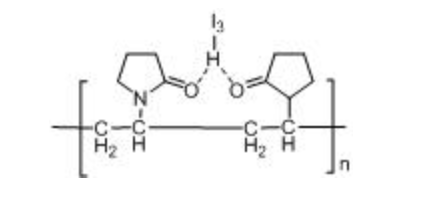
To understand this balance, you must look at the exact mechanism of action. The complex povidone polymer acts as a synthetic carrier. It securely holds iodine molecules and slowly releases them into the surrounding environment. This active component, known as "free iodine," penetrates microbial cell walls. It rapidly oxidizes cellular structures, proteins, and nucleic acids. This broad-spectrum attack destroys pathogens quickly without allowing them to build bacterial resistance.
However, clinical professionals must navigate a fascinating chemical reality known as the dilution paradox. When you dilute standard 10% PVP Iodine solutions down to 1% or 5%, the polymer network actually loosens. This structural shift yields a substantially higher immediate concentration of active free iodine. As a result, lower concentrations work much faster. They deliver an aggressive bactericidal strike. Meanwhile, higher concentrations act as a steady reservoir, prioritizing how long the antiseptic lasts over how fast it works.
Because of these distinct behaviors, your evaluation criteria must prioritize the target tissue. Intact skin handles strong, sustained-release reservoirs beautifully. Mucous membranes require gentler approaches. Delicate corneal tissue demands precise mathematical limits to prevent permanent damage. You must match the chemical behavior to the specific anatomical canvas.
Choosing the correct formulation dictates the success of your preoperative protocol. Facilities must align their stock to distinct procedural needs. The differences between concentrations directly impact both microbial reduction and tissue viability.
The 10% solution remains the foundational pillar of surgical antisepsis. Hospitals primarily use it for surgical scrubbing and general skin prep prior to invasive procedures. It paints easily onto the epidermis. Once applied, it creates a highly durable antimicrobial barrier. It provides a sustained, slow release of iodine over several hours.
Despite its efficacy, strict limitations apply. You must restrict this powerful concentration to intact epidermis. Clinical studies document severe cytotoxicity when teams leave 10% solutions pooling in deep, open surgical wounds. It aggressively attacks healthy fibroblasts, severely delaying the closure of internal tissues. Always suction excess fluid away from surgical cavities.
Specialized fields require precise adjustments. The 5% concentration serves as the undisputed standard for pre-surgical eye preparation. Ophthalmologists rely on it before intravitreal injections and routine cataract surgeries. It also performs exceptionally well for general mucosal antisepsis.
The clinical safety reality here is strict. The 5% mark is the maximum verified threshold to safely prevent corneal toxicity. Going above this limit risks severe irritation and permanent ocular damage. At exactly 5%, the formulation maintains robust endophthalmitis prophylaxis without harming delicate eye structures. Never improvise this boundary.
Daily patient management relies heavily on the lowest concentration tiers. Providers primarily use 1% to 2% mixtures for oral stomatitis management and superficial wound irrigation. These dilute solutions also form the backbone of daily wound care protocols in specialized burn units and long-term care facilities.
At these lower levels, cellular health takes priority. These gentle dilutions remain entirely safe for sensitive granulating tissue. They effectively sidestep the fibroblastic destruction commonly seen when practitioners mistakenly apply 10% formulations to raw, open injuries. They deliver rapid free-iodine spikes without leaving a toxic residual footprint.
To clarify these operational boundaries, review the standardized application parameters below:
Concentration Level | Primary Clinical Application | Key Safety Threshold & Limitation |
|---|---|---|
10% | Intact skin prep, surgical scrubbing | Contraindicated for pooling in deep/open wounds. |
5% | Ophthalmic surgery, mucosal prep | Maximum safe limit to prevent corneal toxicity. |
1% - 2% | Wound irrigation, oral stomatitis | Safe for granulating tissue; fast active iodine release. |
Concentration percentages only tell half the story. The physical formulation and packaging method dictate clinical execution. You must clearly differentiate between the available product categories to avoid catastrophic bedside errors.
First, evaluate the primary solution categories. Medical catalogs usually separate aqueous solutions from surgical scrubs. Aqueous solutions, often called "paint," contain only the active polymer complex and water. Surgical scrubs contain added detergents and foaming agents. Professionals use scrubs strictly for preoperative hand washing or initial patient skin cleansing. You must rinse scrubs off completely.
Implementation risks rise sharply when teams confuse these two categories. A major clinical danger involves confusing a 10% PVP Iodine scrub with an aqueous solution. Scrubs contain tissue-damaging surfactants. If a surgeon mistakenly uses a scrub to irrigate an open cavity, the detergents will severely traumatize exposed internal organs. Color-coded packaging and strict inventory separation remain absolutely vital.
Furthermore, facilities must address scalability and rollout logistics. You must carefully weigh the operational pros and cons of buying pre-packaged swabs against bulk bottles.
Evaluate Bulk Bottles: These offer lower upfront procurement costs. However, they significantly increase the risk of cross-contamination once opened. They also invite dangerous ad-hoc dilution practices by hurried staff.
Analyze Unit-Dose Ampoules: Single-use swabs or ampoules carry a higher per-unit price tag. Yet, they entirely eliminate bedside dilution errors. They guarantee absolute sterility for every patient encounter.
Determine Specialty Needs: Allocate unit-dose applicators to high-risk areas like ophthalmology and neonatal intensive care. Reserve bulk supplies for controlled central sterile processing areas.
Even the safest topical antiseptics carry inherent biological risks. Proper institutional governance requires a thorough understanding of systemic absorption and specific patient contraindications.
Toxicity and systemic absorption represent significant clinical challenges. When you apply large volumes of antiseptic to extensive injuries, the body absorbs the active element into the bloodstream. You must exercise extreme caution with neonates, severe burn victims, and patients with massive surface-area wounds. Their compromised skin barriers cannot regulate absorption. This systemic overload can stress developing or recovering renal systems.
Additionally, you must strictly monitor thyroid contraindications. The human thyroid gland relies on iodine to function. Sudden, massive influxes of topical iodine can trigger severe thyroid dysfunction in susceptible populations. Patients with pre-existing goiters, Hashimoto's disease, or Graves' disease require vigilant screening before extensive surgical prep. This physiological reality strictly enforces the need to follow precise concentration guidelines without exception.
Finally, clinical teams must actively clarify the difference between true allergies and simple irritation. Many patients report an "iodine allergy" on their intake forms. True systemic anaphylaxis directly caused by this element remains exceedingly rare. In most scenarios, the patient previously experienced severe contact dermatitis. Prolonged exposure to high-concentration polymers often causes these localized chemical burns. You must adhere to evidence-based boundaries. Always allow the solution to dry completely. Never trap wet pools of antiseptic beneath patient positioning straps or surgical drapes.
Screen Thoroughly: Always verify thyroid history and past dermatological reactions before prep.
Prevent Pooling: Use absorbent towels to catch excess runoff during intact skin preparation.
Observe Dry Times: Allow the antiseptic to fully dry (typically 2-3 minutes) to achieve maximum microbial kill and prevent chemical burns.
Streamlining a hospital's antiseptic inventory is a complex operational task. Supply chain leaders must balance clinical efficacy against budget constraints and liability risks. Smart procurement logic minimizes human error.
Begin with comprehensive procurement considerations. Audit your current usage across all departments. Many facilities discover they stock overlapping and redundant SKUs. You might find identical 10% solutions purchased under three different brand names. Consolidating these overlapping items immediately reduces waste and standardizes staff training protocols.
The debate between in-house dilution and pre-mixed products requires a definitive stance. We strongly argue against off-label, ad-hoc dilution. Never allow clinical staff to manually dilute a 10% stock solution to reach a 5% target for ophthalmic use. Manual dilution introduces massive liability risks. It compromises absolute sterility. Furthermore, local tap water or basic saline can destabilize the polymer chain. This alters the predictable release of active free iodine. Always purchase pre-mixed, manufacturer-certified 5% solutions for highly sensitive applications.
To finalize your purchasing decisions, execute these next-step actions:
Consult Core Guidelines: Review your institutional infection control guidelines alongside recent FDA and CDC standard monographs.
Map Primary Specialties: Identify your facility's heaviest procedural volume (e.g., orthopedic surgery vs. outpatient ophthalmology).
Select Dedicated Formats: Lock in pre-mixed 5% unit doses for eye clinics, while standardizing 10% aqueous paint for general operating rooms.
By enforcing these rigid selection protocols, you eliminate guesswork. Nurses and surgeons will always reach for the clinically appropriate concentration exactly when they need it.
Navigating the complex landscape of clinical antiseptics demands precision and operational discipline. The true efficacy of PVP Iodine is inextricably tied to utilizing the precise concentration for the intended tissue type. As we have explored, applying a 10% scrub to an open cavity invites severe tissue damage, while improperly diluting solutions compromises infection control protocols.
Clinical and procurement teams must align their strategies immediately. We urge facilities to prioritize pre-formulated, application-specific concentrations across all departments. Audit your current inventory, eliminate redundant SKUs, and ban ad-hoc bedside dilution. By matching the right chemical concentration to the right anatomical challenge, you maximize patient safety, ensure strict regulatory compliance, and streamline daily surgical care.
A: No. Manual in-house dilution introduces severe sterility and chemical stability risks. Standard saline or water can disrupt the polymer structure, altering free-iodine release unpredictably. Furthermore, mixing non-sterile components creates immense liability. Facilities should always purchase commercially prepared, pre-mixed 5% solutions for sensitive applications like ophthalmology.
A: A 10% concentration is highly cytotoxic to exposed internal tissues. While it excels on intact epidermis, pooling it in open wounds destroys healthy fibroblasts and macrophages. This aggressive cellular damage severely delays normal granulating tissue formation and overall wound healing.
A: Paradoxically, no. Lower concentrations (like 1% to 5%) feature a looser polymer structure, which rapidly releases a higher volume of active free iodine. This results in faster immediate bactericidal activity. Conversely, 10% solutions hold onto the active iodine tighter, providing a slower, sustained residual action.
A: An aqueous solution contains only the antiseptic polymer and water, making it safe to leave on the skin as a "paint." A scrub contains added detergents and surfactants meant exclusively for washing intact skin. Scrubs must be thoroughly rinsed off and never used inside open body cavities.